Emergency Leak Detection in Mission Viejo, CA
Spinning meters, high water bills, warm floors and damp walls traced to the source, so repairs open the right spot the first time.
- 24/7 call line
- Non-invasive tracing
- Price before work
- Free estimate on scheduled jobs
Leak Detection in Mission Viejo: Find It Before You Cut
Leak detection is the process of locating a plumbing leak without opening walls or floors at random, using listening equipment, thermal imaging, moisture meters and pressure tests. A leak you can see is easy. The ones that cost money are inside walls, under slabs or in the line between the meter and the house.
Most callers do not know where the water is going, only that something is wrong. This page starts with the symptom and explains how the cause is found, so you know what a visit involves before you call the 24/7 line.
When a Leak Becomes an Emergency in Mission Viejo
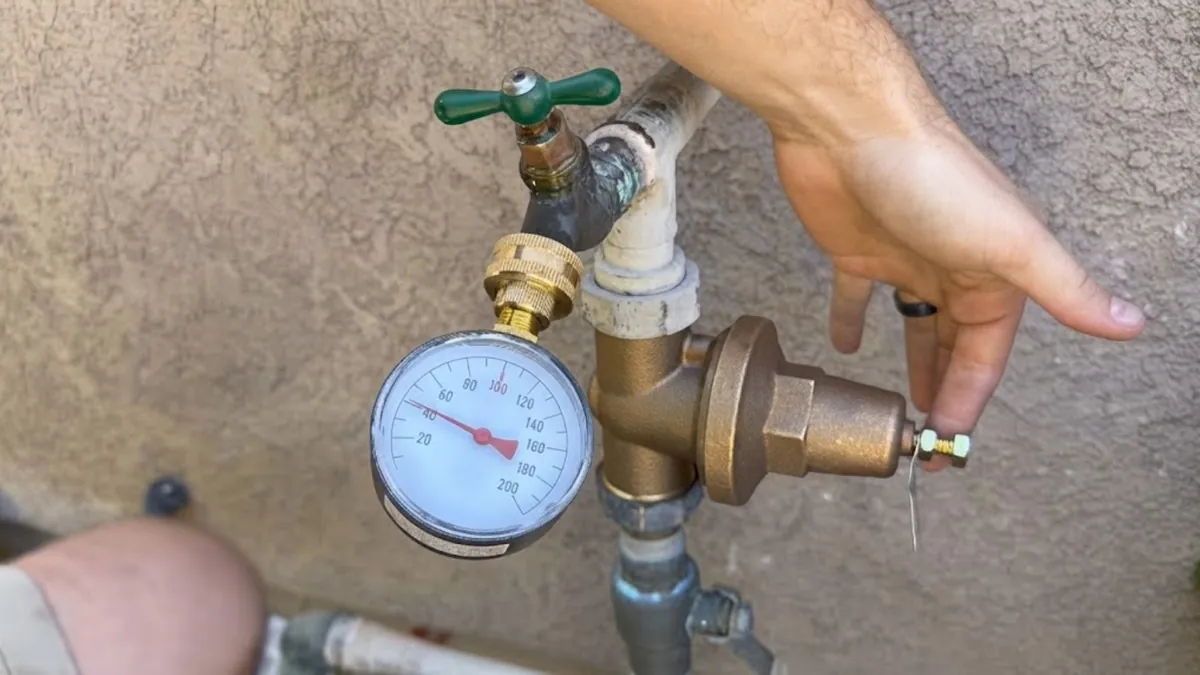
A leak is an emergency when water is visibly spreading, a ceiling is sagging, the meter runs fast with everything off, or you cannot reach the source. Close the main shutoff first, then call the 24/7 line. A dispatcher asks where the water shows, whether it is wet or only damp, and how fast the meter moves.
Emergency leak detection starts with that call. We send a plumber with the tools to trace the leak without opening walls at random, and we quote the price before work. Many callers only need the leak found, so say so and we will plan the visit around locating it.
My Water Bill Went Up and I Cannot Find Why
A rising bill with no change in habits is the most common reason people call. Check your meter before anything else. Turn off every fixture and appliance in the house, then watch the meter. Many meters have a small low-flow dial or triangle that turns when any water moves.
If it keeps moving, water is leaking somewhere between the meter and the fixtures. If it stays still, the usage may be inside the house, such as a toilet that runs only at night. A few drops of food coloring in each tank find those silent toilet leaks.
Your district can verify the meter read. Santa Margarita Water District, Moulton Niguel Water District and El Toro Water District each handle readings and high-bill questions for their own customers, so start with the one named on your bill.
Signs of a Hidden Leak
Meter moves with everything off
The leak is on the pressurized supply side, in the house or the service line.
Warm spot on a floor
A hot water line under a slab may be leaking. See slab leak detection.
Sound of running water
Hissing or trickling in a quiet house is a strong clue that pressure is escaping from a pipe.
Stains, bubbles or mold
Damp drywall, peeling paint, a musty smell or a ceiling stain below a bathroom.
How a Plumber Finds a Leak Without Opening the Wall
| Tool or test | What it shows | Used for |
|---|---|---|
| Acoustic listening equipment | The sound of pressurized water escaping | Pinpointing a leak on a supply line |
| Thermal imaging camera | Temperature changes from hot water lines or damp materials | Slab hot water leaks and wall moisture |
| Moisture meter | Water content in drywall, subfloor and framing | Mapping how far damage has spread |
| Pressure test | Whether a sealed section of pipe holds pressure | Confirming a leak and isolating a zone |
| Tracer gas or dye | Where a gas or dye escapes or appears | Drain leaks and hard-to-hear pressure leaks |
Why Older Mission Viejo Plumbing Develops Leaks
The first Mission Viejo homes were sold in 1966, and Casta del Sol added 1,927 homes between 1972 and 1987. Copper supply lines of that age can develop pinhole leaks, often where water chemistry or flow has worn the pipe wall from the inside.
Homes in Palmia, built from 1988 to 1999, are newer, but their water heaters, valves and flexible supply lines are now at an age where small leaks begin. A leak under a sink or behind a washer is a quiet, steady cost.
The service line from the meter to the house is another place leaks start, and it is buried. A leak there often shows up as a soft patch in a yard or a meter that spins with every fixture off. See water line repair and replacement for that repair.
How a Leak Detection Visit Works
Interview
The plumber asks where you see signs and checks the meter and water pressure.
Isolate
Zones of pipe are shut off and pressure-tested to narrow the search.
Pinpoint
Listening gear and thermal imaging mark the spot on the floor or wall.
Report
You get the location, the cause and the repair options with a price before any opening. New or repaired water piping is pressure tested under the California Plumbing Code, which is built on the Uniform Plumbing Code (UPC), before it is covered.
Leaks Outside the House Spin the Meter Too
Not every hidden leak is inside the walls. A leak on the line between the meter and the house, an irrigation valve stuck open or a hose bib dripping into a planter can all keep the meter moving. A patch of lawn that stays green in a dry week, a damp strip along the foundation or the sound of water at the meter with the house shut off all point outdoors.
A simple test separates the two. Turn the irrigation controller off, close the main valve at the house and read the meter again. If the dial stops, the leak is inside the house. If it keeps moving, the buried line is the suspect, and the next step is water line repair. A swimming pool loses water differently, and pool leak detection uses its own tests.
Keep a Simple Leak Log for the Plumber
Write down the meter reading at bedtime and again in the morning, with the date, while nothing in the house is running. Photograph any stain or damp spot with a coin or ruler beside it for scale, and note when you first saw it. A short log shows the plumber how fast the water is going and where to test first.
It also helps if a leak ends up involving an insurer. A dated record of when a problem was noticed and what was done next is easier to defend than a memory.
What Leak Detection Costs
Detection is priced separately from repair. Finding a leak under a slab takes more time and equipment than tracing one behind a sink, and the repair that follows depends on what the pipe is made of and where it sits.
Many policies pay for sudden water damage and sometimes for the tear-out needed to reach a leaking pipe, but not for the pipe repair itself. Policies differ, so ask your insurer before opening walls.
What We Handle and What We Do Not
We find and fix plumbing leaks. Roof leaks, window leaks and stucco cracks are not plumbing, and a roofer or builder is the right call for those. If a leak has already soaked flooring and drywall, our water damage restoration page covers the cleanup and drying side.
For a pool that loses water, pool leak detection uses different tools. We also cover nearby areas, including Ladera Ranch, with the same 24/7 line.
Water Through a Ceiling or Wall
A stain on a ceiling or a damp patch on a wall is usually water from a supply line, a drain or a fixture above, and the stain is rarely under the source. We start at the room above, check the shower pan, tub drain and supply stops, then use moisture and thermal readings to follow the water back.
Tell dispatch which floor the stain is on and whether a bathroom sits above it. That saves time and keeps drywall cuts small.
Irrigation Lines and Outdoor Leaks
A sprinkler valve that runs fast, a wet spot with no sprinkler nearby or a patch of lush grass above a line can point to a break in the irrigation supply. Closing the irrigation valve and watching the meter separates a yard leak from a house leak.
Tell us where the wet ground is and whether the meter still moves with the irrigation off. Backflow devices on irrigation are covered on our backflow testing page.
Rentals, Multi-Unit Buildings and Homes for Sale
Owners of rentals, duplexes and small multi-unit buildings often call with a high bill and no visible water. We shut off one unit at a time at the meter and shutoffs to narrow the search before testing pipes.
A house in escrow can be tested on a short timeline too. Say that on the call so the visit is scheduled around the inspection window.
Smaller Leak Questions
Spa and hot tub leaks near equipment are checked with a bucket test and pressure test, and a leak next to the meter box usually involves the fittings at the meter. A leak that returns after another plumber's repair is traced from the start, since the first fix may have hit the wrong spot.
Where We Work Across Mission Viejo
Hidden leaks show up differently by neighborhood. In Casta del Sol and Palmia the first clue is often a spinning meter in a single-story home, while on the hillside streets of Pacific Hills the sign can be a wet slope or a soft patch at a retaining wall.
Mission Viejo was planned with roads in the valleys and houses on the hills, so a leak can travel downhill before it appears. That is why tracing starts at the meter, not at the wet spot. Slab-level cases move on to slab leak detection.
Leak Detection Questions From Mission Viejo Homeowners
Turn everything off and check your meter for movement. A moving meter points to a leak on the supply side. Unexplained stains, warm floor spots or the sound of running water are other signs.
Not for the search. Listening equipment, thermal imaging and pressure tests locate the leak first, so an opening, if needed, is small and placed correctly.
A slab leak needs its own approach, because the pipe is under concrete. Options range from rerouting the line to repairing it in place, and the plumber will lay them out with prices.
Call your district first to verify the meter read, since it is free. If the meter is accurate and the bill is high, a plumber finds the leak.
If only one fixture is weak, scale in the aerator or a partly closed valve is the usual cause. If the whole house is weak, check the main valve and the meter, since a leak on the service line or a failing pressure regulator can also be behind it.
Yes. The line is open 24 hours a day, every day. An active leak is best handled by closing the main shutoff and calling right away.
Yes in most cases. We use acoustic, thermal and pressure methods to narrow the location first, so any cutting is small and aimed. Tell dispatch whether the water shows inside a wall, in the yard or only on the meter.
It can be a supply line, a water heater or an air conditioner drain in the attic, or it can be a roof leak. A plumber checks the lines and equipment first. If the pipes test dry, a roofer is the next call.
Yes. Tell dispatch what was repaired and when. We start with a pressure test of the whole line, because the original leak may have been a second point on the same pipe.
Water Going Somewhere It Should Not?
Call the 24/7 Mission Viejo line. Close the main shutoff first.
☎ Call (949) 325-3122